Main

Enviolo began with a singular belief: cycling embodies the ultimate form of mobility. Since then, our mission has been to empower bike makers to create exceptional bikes. To unleash the transformative power of the bicycle, we recognize that the cycling community must address challenging yet essential questions. How sustainable are the manufacturing processes behind our products? How empowered are the communities linked to our operations? How future-proof are the decisions we take today? We believe we can do better. In fact, we believe we must do better.
envision serves as a call to action for us and our peers— a call to envision a better, brighter outlook for the cycling industry. Yet, we refuse to be bystanders on this journey. Our goal is to be a driving force in creating this future.
From using lower carbon materials in our products to promoting responsible sourcing and fostering an empowered workforce, envision entails 11 pledges aimed at reducing our environmental footprint and maximizing our social impact.
Join us as we transform the way we ride, conduct business, and advocate for people-centric urban communities. Let’s envision a world where every turn of the pedal propels us towards a brighter future.
11 targets we aim to achieve by 2030


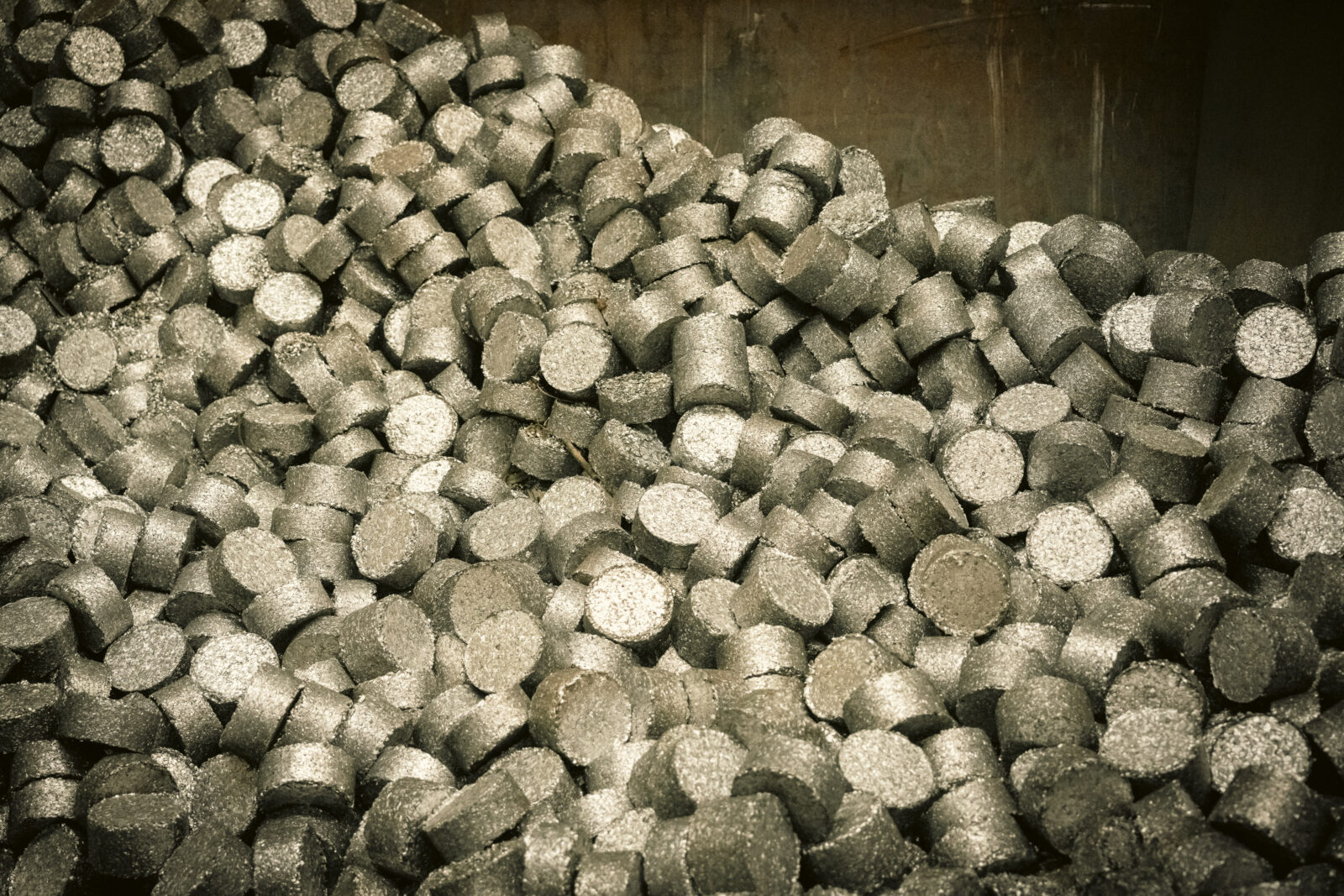



 Besides our ambition to build products using more recycled materials, we strive to have as many and as much of our products as possible become secondary materials. We have partnered with local experts, Riwald Recycling, since 2023 to do this.
Riwald Recycling is a secondary resource collector and specialised metal recycler based in the Netherlands. Our partnership with Riwald began with them deconstructing our CVPs and AHIs and critically assessing whether each sub-component was fully, partially, or non-recyclable. The assessment concluded that our CVPs and AHIs have a high recyclability rate of 93% and 87% respectively, meaning that the vast majority of our constituent materials can be effectively recycled and reused. As part of our partnership, Riwald subject matter experts also provide our engineering teams with critical recommendations on how we could adapt our products to make them more recyclable in the future. We intend to continue this valuable feedback loop between Riwald and our engineers to create better, more circular products.
Beyond recyclability assessments and design for recyclability guidance, Riwald also oversees the responsible end-of-life treatment of our products. Since 2023, Riwald collects all returned and unrepairable CVPs and AHIs, as well as other metal scrap like unusable wheels, from our warehouse in Zwolle. At the Riwald recycling facility in Almelo, these products subsequently undergo a multi-step refinement process to prepare them for use as secondary materials.
They are first put through a shredder, which crushes the material into smaller, more processable pieces, sorted by size. The crushed pieces are fed under a powerful magnet, separating the ferrous metals from other materials. Ferrous metals are sorted by alloy and purity level and compacted into scrap units to sell to smelters. Non-ferrous metals are removed from the remaining waste stream using a powerful electromagnetic field, which repels these metals from the other materials. These two streams are then further sorted using a variety of methods, such as colour recognition, infrared and x-ray sorting, depending on client needs.

What sets Riwald apart is both their desire to help their clients adopt circularity, as well as their own, internal commitment to sustainable business practices. Riwald is constantly experimenting with ways to reduce the waste they need to send for incineration, and, as one example, have begun to replace the concrete blocks they use to separate scrap types with blocks they manufacture themselves from plastic and other waste they would typically dispose of.

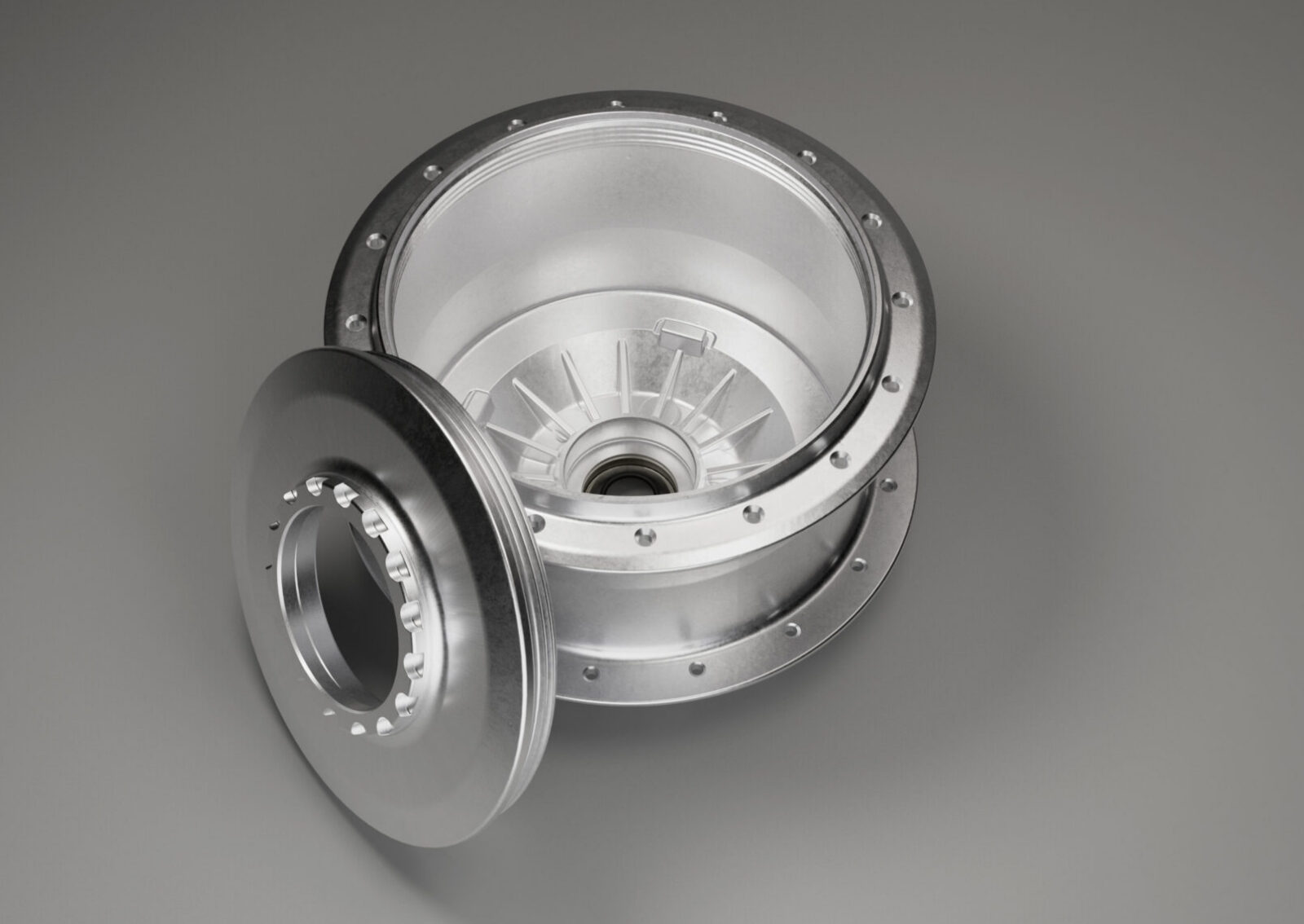
In late 2023, we kicked off a project to upgrade the current version of our CITY CVP hub. CITY CVP hubs are lighter models intended for lower loads like single rider bikes with no cargo, making them particularly popular for urban travel and bike-sharing programmes. However, our engineers saw an opportunity to further improve the CVP architecture and remove weight from the assembly. The concepts of this plan were proposed to our contract manufacturer and development partners, who supported the redesign.
The redesign included two key changes: removing a planet and substituting magnesium parts for aluminum. Our CVP hubs typically operate on six planets that tilt to adjust gear settings. The planets are held in a metal carrier, equidistant from one another around the connection point to the frame, to support a seamless shift across the CVP hub. The adjustment to five planets would thus require a redesign of the carrier and an overall architecture change and weight reduction, to ensure the connection points of the five planets would not sacrifice efficiency or the seamlessness of the shift. From an operational perspective, these changes impact the overall weight the CVP hub can safely transport and the input torque it can withstand but does not change its functionality or operation. From a sustainability perspective, the planet reduction reduces the materials necessary, thereby reducing raw material emissions.
The second adjustment is the substitution of two magnesium carriers with aluminum alternatives. Since aluminum extraction and manufacturing produces around 78% less emissions than the magnesium alloy we currently use, this substitution also results in a significant reduction in raw material emissions.
 Taken together, both changes reduced the carbon footprint of the new CITY CVP hub by an impressive 19% compared to its predecessor. The redesign of the CITY CVP hub is an interdisciplinary success. On the one hand, it offers a lighter product that serves the same function as the previous model. On the other hand, it demonstrates the effects of integrating sustainability into our business model and the benefits that can arise from this. This is our first step towards (re)designing our products with an environmental lens, and we plan to continue this momentum with other designs and new products going forward.

We’re unwavering in our commitment to improve the well-being of urban communities worldwide while simultaneously minimizing the environmental footprint of designing, manufacturing, and using our products.

Target: 30% reduction in Scope 1 and 2 emissions, and 15% reduction in Scope 3 emissions by 2030 (versus 2022 baseline).
Encouraging people to take fewer trips in cars and more trips on bikes shouldn’t distract us from having environmentally conscious operations and supply chains.
We recognise – now more than ever – that the sustainability of our industry and organisation is intertwined with our planet’s future, and we must remain committed to making products that generate as little emissions as possible during their lifecycles.
Our progress so far
We began measuring our emissions in 2022 and have continued to do since. From 2022-2024, our total emissions dropped by 72%, primarily due to a reduction in production volume following market slowdown after the COVID period.
In 2025, we registered a slight annual increase in total GHG emissions. Although our ambition is to achieve consistent year-on-year reductions, we anticipated an increase this year, as is the first year that we have once again increased our production volumes. In concrete terms, while our annual emissions increased by 4%, our emission intensity decreased by a significant 26%.
This carbon intensity reduction is primarily due to the successful verification of the recycled aluminium content in our hub shells and covers (detailed more in our case study). The impact of using recycled metals cannot be understated. A direct comparison between market‑average aluminum and our 90% certified recycled aluminum reveals that this change alone mitigated 1,277 tonnes of CO₂e, equivalent to 18% of our total 2025 emissions.


Want to know more? Read our sustainability report!
Target: 25% average recycled content across our products and packaging by 2030.
Our two key products, CVPs and AHIs, are predominantly made of metal. From a resource perspective, metals are exceptionally circular, with most being infinitely recyclable.
While we’re extremely proud of the end-of-life recyclability of our products, we aspire towards a higher level of circularity — circular input materials. Our ambition is to reduce our reliance on virgin, finite resources to better facilitate closed loops of material use.
Our progress so farIn 2025, we successfully verified the recycled aluminium used in our CVP hub shells and covers. Together, these two components account for roughly one‑quarter of the hub’s total weight (on average), and are produced from solid aluminium, a material that can be recycled repeatedly with minimal loss of quality.
As part of this project, we commissioned a third‑party auditor (Intertek) to assess the percentage of recycled aluminium used at each stage of the value chain. The auditor concluded that our CVP hub shells and covers are produced with a minimum of 90% recycled aluminium (detailed more in our case study).
The verification of recycled aluminium marks a significant milestone in our sustainability roadmap. It brings the average recycled content in our product and packaging portfolio to 17%, our most significant year‑on‑year improvement since setting the target in 2023.

Going forward, we intend to expand our recycled‑content verification efforts to additional CVP hub components and packaging. Other aluminium parts within our CVPs, such as carriers and stators, are natural candidates, given the success of the shell and cover audit and the material’s high recyclability.
Want to know more? Read our sustainability report!
Target: 4,000 products given a second life by 2030.
The world consumes around 83 billion tonnes of materials annually, but only 7.2% is cycled back into our economy. We can improve this by encouraging and facilitating product reuse.
We believe in the importance of making products that are meant to last. Prolonging the useful lifetime of our products starts at the design phase, and extends to repairing and refurbishing used products, ensuring they can be enjoyed for as long as possible.
Our progress so far2025 marked the first year of our product second‑life programme, which strives to produce refurbished CVP hubs that are fit to re-enter the market. During this initial year our primary focus was establishing robust and repeatable processes, which, once validated, successfully refurbished our pilot batch of 24 hubs.
Despite the successful kick off, the number refurbished hubs was smaller than originally intended, due, in part, to a lower-than-anticipated volume of viable warranty returns. While this may hinder the second-life programme, it reflects the effectiveness of our quality control and education efforts. We design Enviolo products to minimize failure rates and regularly empower our retailers through annual training and ongoing support. Together, these measures reduce the number of warranty claims, thus limiting our pool of viable second-life products.

Want to know more? Read our sustainability report!
Target: 100% of subcomponents made of critical raw materials are covered by a sourcing contingency plan by 2030.
Some ‘critical’ raw materials essential to sustainable development are highly geographically concentrated, posing a significant risk: geopolitical, economic or ecological turbulence at sourcing countries can quickly change the availability and cost of materials, which would result in production delays.
Becoming future-fit means developing a resilient supply chain that safeguards the ability to deliver high-quality products.
Our progress so far
In 2025, 28% of all Enviolo sold products, by weight, were made from critical raw materials. Of this, 24% was aluminium and 4% was magnesium.

To address the risks associated with these materials, we conducted a comprehensive review of every aluminium and magnesium component across our active and planned portfolio. The assessment evaluated each component against four contingency options (increase recycled content, lightweight, substitute the material, or multi-source the component), with an additional option to phase out the component entirely.
This resulted in a strategy that assigns a contingency action/roadmap to 99.3% of our critical raw material use, with some key highlights:

Going forward, we will continue expanding our contingency planning. Magnesium components will be gradually replaced and aluminium components, like spacers and carriers, will be assessed for recycled‑content verification or material substitution.
Want to know more? Read our sustainability report!

We aim to inspire and empower, starting from within but extending far beyond.
Target: 100% of Tier 1 and high-priority Tier 2 suppliers have undergone on-site quality audits by 2030.
Bikes can only be a viable alternative to cars if they are just as, or more, safe to use. Within our influence, this means ensuring that Enviolo-equipped e-bikes are made with quality components, tested against the highest manufacturing and safety standards.
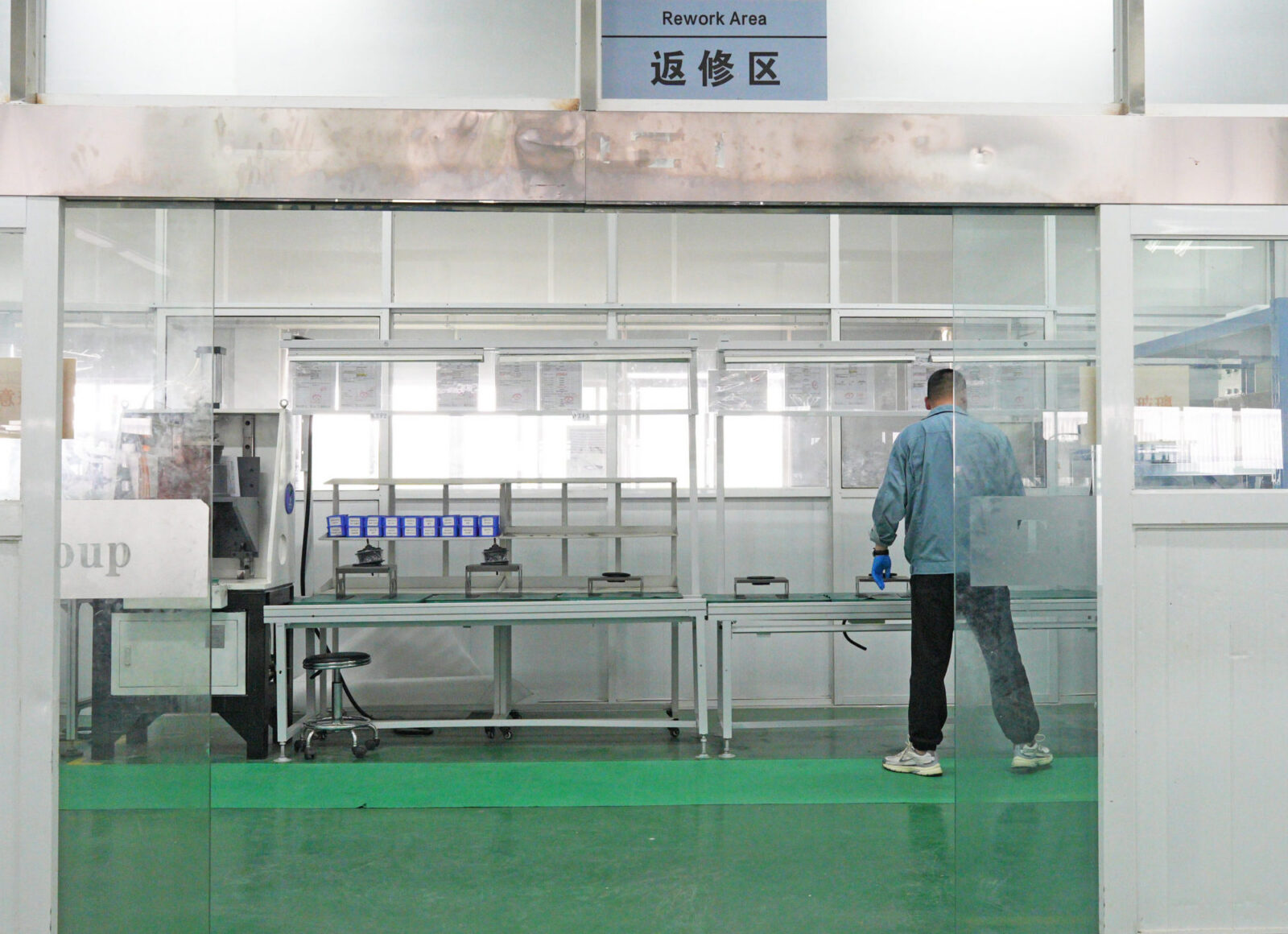
We believe quality requires a personal touch, which is why we developed and implemented our own quality audits. These are performed on site by Enviolo personnel, with the aim of having all of our Tier 1 and high-priority Tier-2 suppliers pass the audit by 2030.
Our progress so far
In 2025, we took significant steps to simplify and strengthen our supply chain, resulting in a reduction of both our Tier 1 and high‑priority Tier 2 supplier bases. This consolidation reduced the total number of Tier 1 & high-priority Tier 2 suppliers in scope for our quality audits from 15 to 8.
Over the course of the year, we successfully audited another one of our Tier 1 suppliers, meaning we have a total of two suppliers who have passed our quality audit. With the revised supplier base, we have thus audited 67% of our Tier 1 suppliers and 25% of all supply chain partners under scope.

We are proud of the results of the two Tier 1 suppliers audited to date. The depth of the assessment has strengthened our understanding of their operations and helped us discover best practices that we would like to encourage and promote across the supply chain.
In 2026, we plan to audit our third and final Tier 1 supplier. Once all Tier 1 suppliers have been assessed, we will begin preparations to audit our high‑priority Tier 2 suppliers.
Want to know more? Read our sustainability report!
Target: 50% increase in bike use in Europe by 2030.
With the fast pace of e-bike development, we believe in the potential for cycling to become the undisputed mode of low-emission transport. The challenge is that many municipalities fail to offer safe infrastructure and public policy that encourages cycling.
To overcome this, it is crucial that the bike industry plays a role in advocating for cycling as the preferred sustainable mode of transport by helping to raise awareness on the benefits of cycling, reduce barriers to wider adoption, and promote best practice from cycling communities around the world.
Our progress so far
According to Eco-counter’s Bike Index, bike use in Europe increased by 5.2% in 2025 compared to 2024, more than doubling the previous year’s growth rate of 2.3%. This acceleration reflects the combined impact of infrastructure investments, policy changes, and growing public interest in sustainable mobility.

Three countries in particular, Ireland, France, and Belgium, played a significant role in driving this increase:
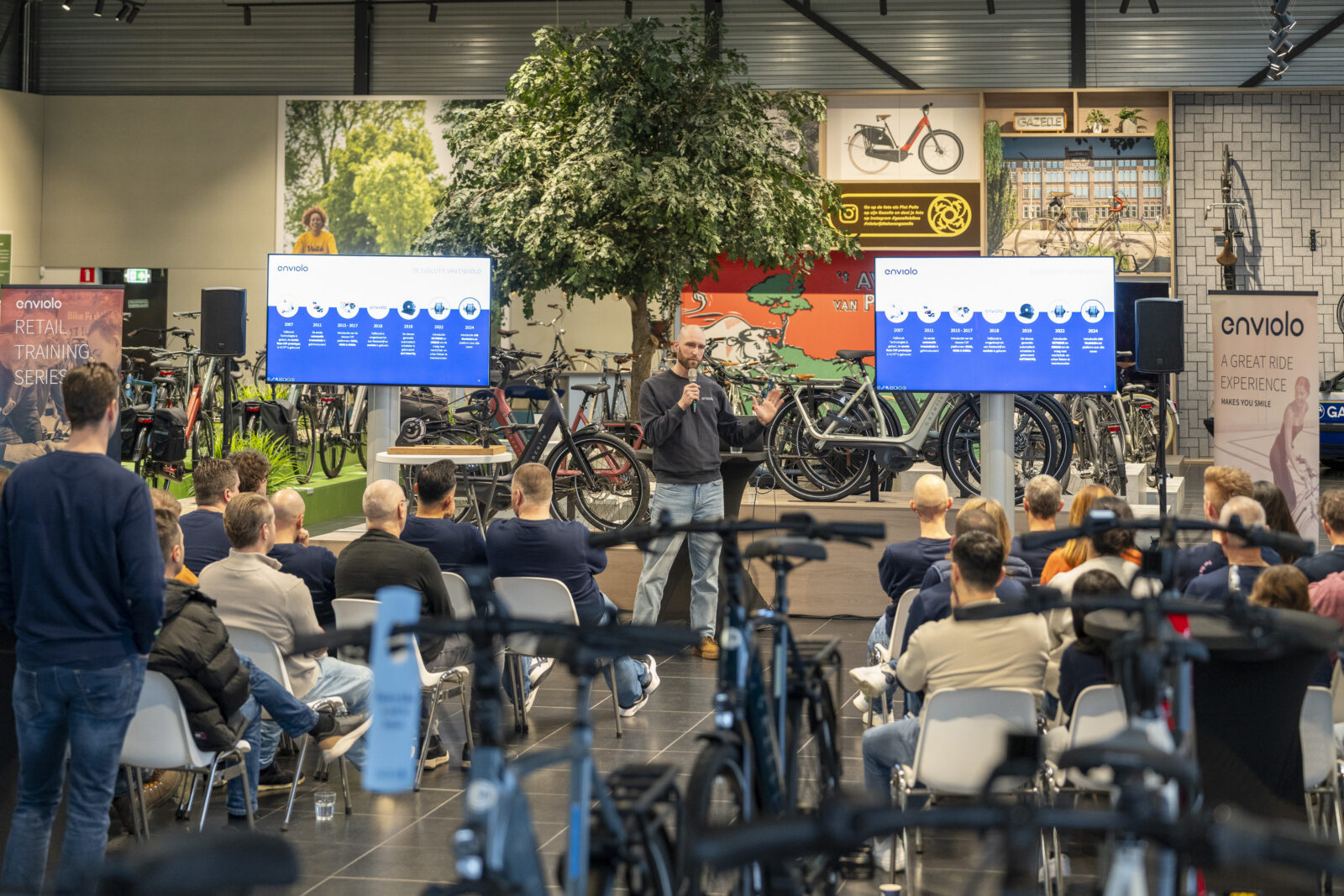
Beyond monitoring bike use, we continued our efforts to bring the industry together. In 2025, we hosted our second annual Enviolo Product Day, bringing together bike brands, component manufacturers, and urban mobility researchers to discuss societal, technological, and environmental developments in the e‑bike sector.
We also participated in several industry‑wide initiatives aimed at advancing the mass adoption, as well as sustainability credentials, of e-bikes. In early 2025, members of our Product and ESG teams once again joined peers at the annual Sustainability Barcamp hosted by Shift Cycling Culture (SHIFT) at the Riese & Müller headquarters in Mühltal. Additionally, through a collaboration with SHIFT, we shared details of our eco-design program with the wider industry through a webinar and an annual industry report.

Want to know more? Read our sustainability report!
Target: 70% increase in employee engagement and satisfaction levels by 2030.
The goals and ambitions that enviolo strives for are born from the ideas and efforts of our people, which is exactly why we want every person to be excited and engaged by the work that they do. We can only succeed as a collective if we have the tools and support, physically and mentally, to succeed as individuals.
Our progress so far
Our first employee engagement survey, covering 2023, recorded a response rate of 80% and an eNPS score of 18, which we use as the baseline for our target. In 2024, we achieved a response rate of 79% and an eNPS score of -40. Responses suggested the decline was driven primarily by economic uncertainty amidst the prolonged decline of the e-bike market, but pointed to three clear areas of improvement:
Results of our initiatives appear to have reflected positively in the 2025 eNPS score, which climbed from -40 to -22 (while maintaining a response rate of 79%). Nonetheless, the score remains below our baseline, highlighting the need for further progress. We will continue to gather structured feedback from all employees on an annual basis and use the results to improve our working conditions and employee support!

Want to know more? Read our sustainability report!
Target: 30%+ of senior management roles held by women by 2030.
The characteristics, circumstances, and opportunities we experience are as unique as we are. These differences can create distinct advantages and disadvantages, impacting our quality of life and ability to achieve. We can only truly understand our potential when we have access to comparable opportunities, regardless of gender, race, religion, orientation, disabilities, socioeconomic background, or origin.
At enviolo, we are committed to fostering diversity and diversity of thought. Our goal is to integrate a strong business mindset with compassion and vulnerability.
Our progress so far
At the end of 2025, 19% of senior management roles at Enviolo were held by women, up from our baseline of 18% but down from 2024’s 25%. This was primarily driven by turnvover in 2025. Both male and female colleagues left the organisation over the year, but the departure of women has had a proportionally larger impact on the ratio.

Despite this, we made meaningful progress in strengthening our foundations. Three initiatives were particularly impactful:
Going forward, we will continue expanding our DEI training programme, with each module focusing on a single DEI topic. We also plan to take a closer look at our hiring practices. Our efforts will focus on understanding which options will be most effective for Enviolo and integrating them into our current recruitment processes.
Want to know more? Read our sustainability report!


Sustainability is ultimately about taking the right measures today to ensure that our business remains resilient, responsible and relevant tomorrow.
Target: 100% of Tier 1 and high-priority Tier 2 suppliers have undergone independent social audits by 2030.
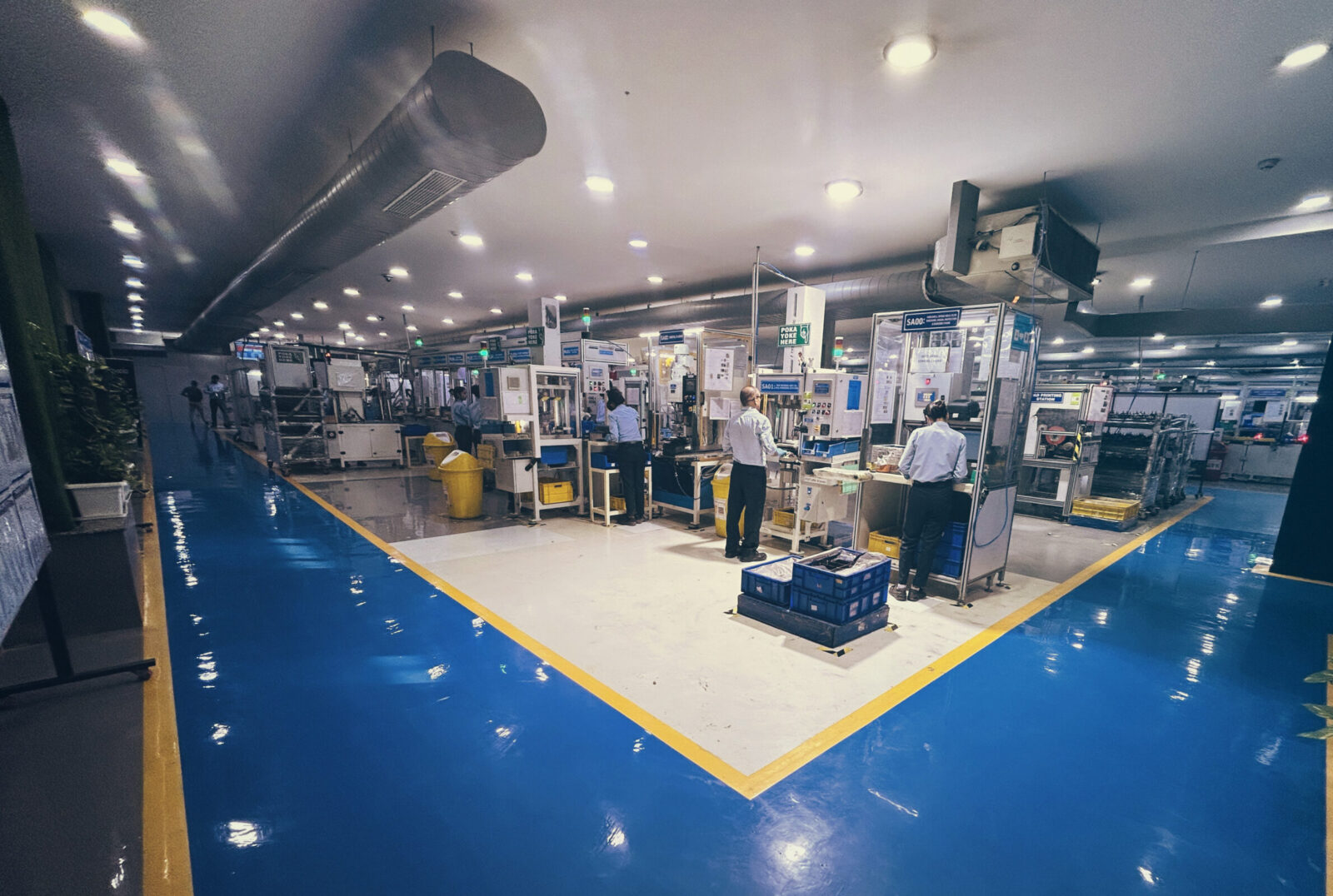
Our products are assembled in China, India, the Netherlands and Lithuania, with sub-parts originating from even more places. In some, the risk of human rights violations, especially child & forced labour and unsafe working conditions, is higher than others.
Although we strongly believe in our risk management policies and procedures, we recognize the severe impact human right violations have, should they occur. We are committed to taking an even stronger approach to preventing them than is common within our industry.
Our progress so far
In 2025, our independent auditing partner, BSI Group, completed the first SMETA audit at one of our Tier 1 suppliers. The audit identified a limited number of non‑conformities, for which a formal corrective action plan was jointly developed and agreed upon. A follow‑up assessment, focused exclusively on the previously identified topics, was subsequently completed and successfully passed within 3 months of the date of the original audit.

The SMETA process is both rigorous and comprehensive, and completing our first audit has strengthened our understanding of how independent human rights assessments are conducted. These learnings are invaluable as we continue improving our own oversight processes and identifying additional opportunities to safeguard human rights within our supply chain.
Want to know more? Read our sustainability report!
Target: 100% annual completion rate of compliance and ethics-focused training among relevant enviolo employees by 2030.
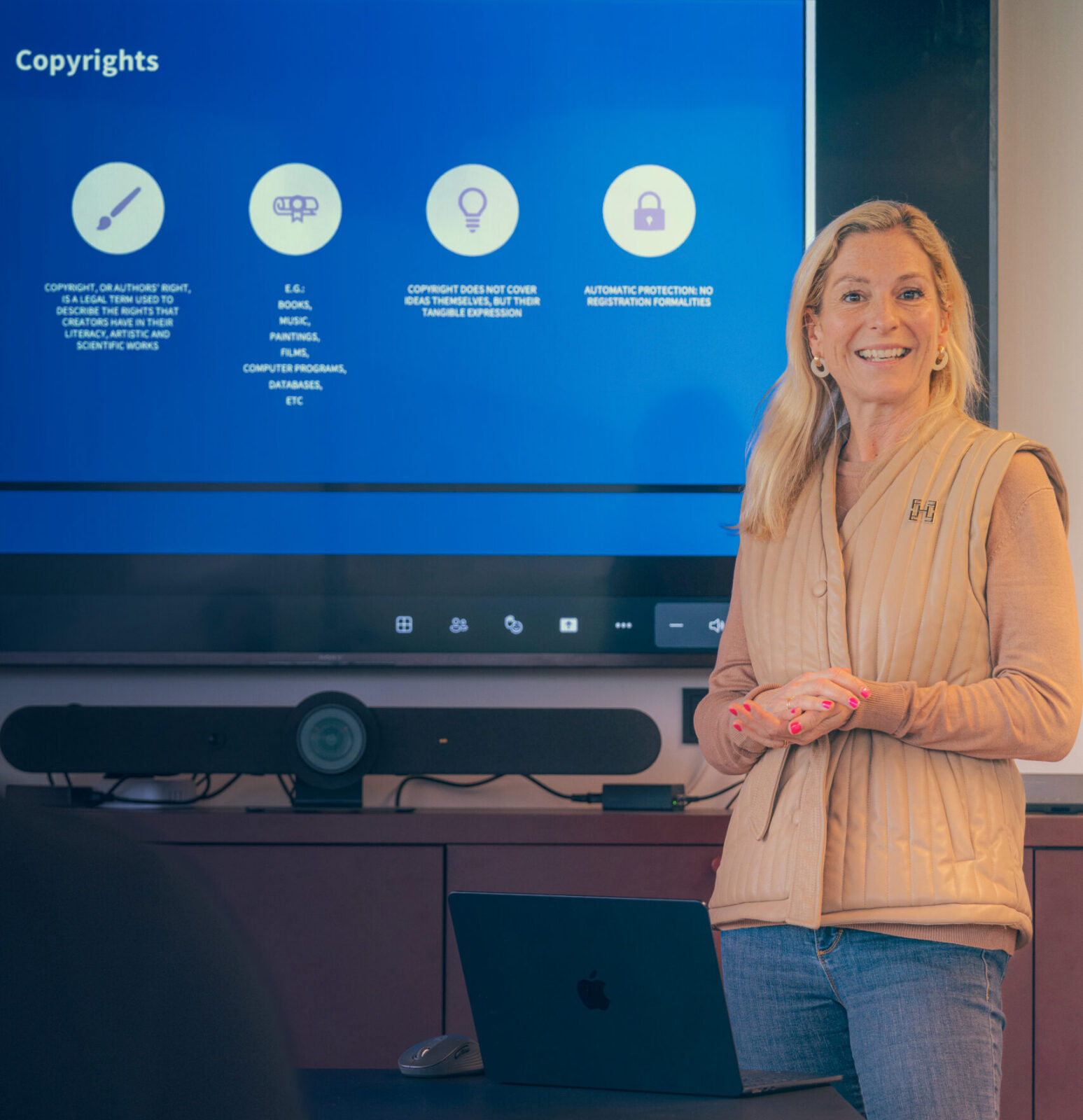
It is essential that our employees conduct business ethically and responsibly at all times. This starts with a solid understanding of, and compliance with, the legal requirements of the countries we operate in and sell to. Beyond compliance, we want to nurture a culture of integrity, honesty and ethics; one that encourages, empowers and rewards our people for doing the right thing, in the right way, at the right time and for the right reason.
Our progress so far
In 2025, our compliance and ethics programme consisted of six mandatory trainings, representing a total of 200 individual training assignments. We achieved a 94% completion rate, a substantial improvement from our 2024 rate of 51%.

Two key adjustments contributed to this:
Going forward, we will continue to review the full scope of trainings included in our Ethics & Compliance programme to ensure that it continues to meet both internal expectations and external requirements.
It is important to recognize, though, that the Ethics & Compliance programme is only one part of the broader learning opportunities available at Enviolo. We remain committed to supporting our employees’ growth, strengthening our organisational capabilities, and reinforcing our culture of integrity and responsibility.
Want to know more? Read our sustainability report!
Target: 90% average score on Supplier Relationship Index, as reported by tier 1 suppliers by 2030.
We see our contract manufacturers as strategic business partners in all that we do. Our ambitious envision targets cannot be achieved without their full support. At the same time, we cannot expect them to help us meet our sustainability and commercial goals if we are not meeting their expectations and helping them achieve success.
We want to foster fair and supportive relationships with our suppliers, and this starts with understanding and addressing their feedback on how we are as a customer.
Our progress so far
2025 marked the first year we used our Supplier Relationship Index (SRI) to collect feedback from our Tier 1 suppliers. The total average score we received was 87%, placing us just below our 2030 target of 90%.


A closer look at the results shows that we are perceived as a reliable partner, but there are opportunities to enhance our commercial practices. Looking further, we note that the biggest area of improvement relates to forecasting. Our suppliers, understandably, desire accurate forecasting so that they can plan effectively and early. The e‑bike market, however, has experienced significant volatility since the COVID period, which has complicated the process of projecting market demand. Nonetheless, we take this feedback seriously and are committed to improving the accuracy and reliability of our forecasting.
We will continue our annual SRI cycle, transparently reporting on the input we receive. Being receptive to constructive feedback is fundamental to building and maintaining healthy, long‑term business relationships, and enables us to better support our suppliers as strategic partners.
Want to know more? Read our sustainability report!
We have continued our commitment to transparently reporting on our progress towards envision. Our 2025 sustainability report details how we have capitalized on our 2024 progress, to push even closer to each of our 2030 targets. Read about what we have done here, and look forward to more updates every year.

Why 11 focus areas and targets? envision is the outcome of a thorough double materiality assessment of the environmental, social and governance impacts, risks and opportunities we face -or expect to face- as a company.
Our assessment is designed to help us prioritize those areas that matter most to us, our stakeholders and society at large, and has been structured around the guiding principles of the Corporate Sustainability Reporting Directive.
We recognize that the way we govern our company and manage our business relations is closely intertwined with the future of our planet. Below, you can find and download the set of policies, certifications, and publications we have developed to help us meet our sustainability commitments.
Last revised: February 14, 2023
Download PDF
Last revised: January 31, 2024
Download PDF
Last revised: January 31, 2024
Download PDF
Last revised: January 31, 2024
Download PDF
Last revised: January 31, 2024
Download PDF
Last revised: March 8, 2022
Download PDF
Published: June 3, 2025
Download PDF
Published: June 6, 2025
Download PDF
Published: June 3, 2025
Download PDF
Published: June 3, 2024
Download PDF